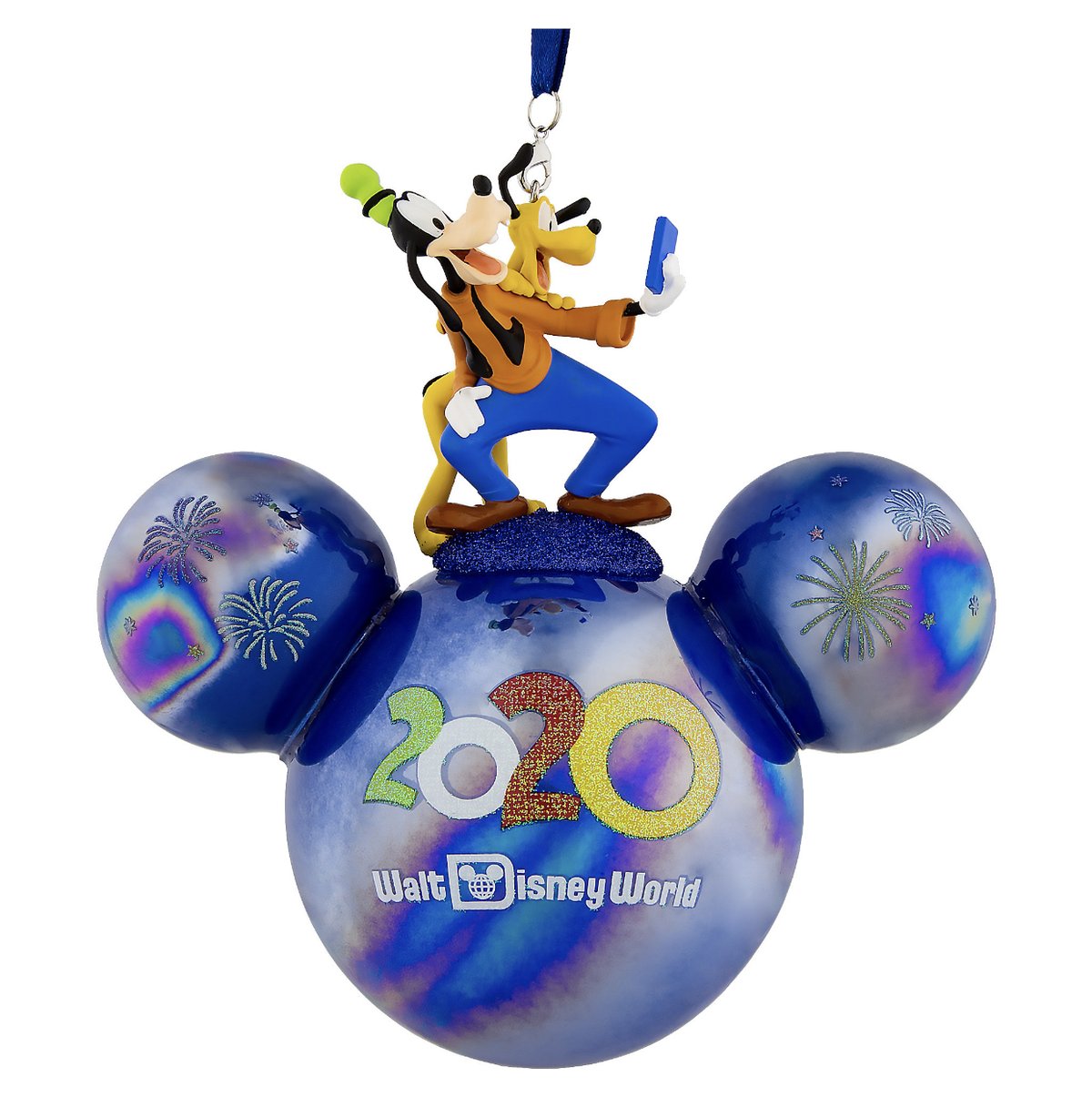
There’s a unique thrill that comes with holding a piece of your favorite story, game, or franchise in your hands. Whether it’s a meticulously crafted replica, a vibrant art print, or a limited-edition figure that captures a beloved character's essence, Merchandise & Collectibles are more than just objects; they're tangible connections to the worlds and passions that define us. They're a nod to nostalgia, a badge of fandom, and for many, a deeply rewarding hobby that spans generations and ignites communities.
This isn't just about accumulating stuff; it's about curated passion, understanding value, and often, a journey into a vibrant subculture. Ready to dive in?
At a Glance: Key Takeaways for the Aspiring Collector
- It's Personal: Collect what you love, not just what you think might be valuable. Passion drives long-term enjoyment.
- Research is Your Best Friend: Before any significant purchase, understand rarity, market value, and seller reputation.
- Condition Matters: For resale value or personal pride, the condition of both the item and its packaging is crucial.
- Budget Wisely: Collecting can be a financial commitment. Set clear limits to avoid buyer's remorse.
- Display with Care: Protect your items from dust, light, and environmental damage to preserve their condition and value.
- Community is Key: Connect with fellow collectors online and offline to share knowledge, tips, and passion.
The Allure of the Hunt: Why We Collect
Humans are natural gatherers, and the world of merchandise and collectibles taps into something primal within us. But beyond mere accumulation, what truly fuels this fascination?
Connecting with Your Fandom: More Than Just a Toy
For many, collecting starts with a deep love for a particular universe. Imagine holding a finely detailed figure from the latest Star Wars saga, or a limited-edition variant of a beloved Pokémon. These items aren't just plastic or resin; they're physical anchors to the stories that have shaped us, reminders of epic adventures, heartfelt moments, and characters that feel like friends. This tangible connection deepens our engagement, transforming passive consumption into active participation. For instance, fans of a timeless franchise like My Little Pony New Generation aren't just watching the show; they're bringing its magic into their homes through figures, plushies, and memorabilia. It's about bringing a piece of that world into your own, celebrating your identity as a fan.
The Thrill of Discovery and the Pursuit of Rarity
There’s an undeniable rush in finding that elusive piece, whether it’s a convention exclusive you snagged after hours of waiting, a vintage item unearthed at a flea market, or a "chase" variant you unexpectedly pulled from a blind box. The rarity factor isn't just about monetary value; it's about the challenge, the hunt, and the satisfaction of possessing something unique that few others have. This element of discovery keeps the hobby exciting and ever-evolving.
The Potential for Investment and Value Appreciation
While passion should always be the primary driver, it's undeniable that some collectibles can appreciate significantly in value over time. From vintage comic books to first-edition action figures, certain items transition from mere merchandise to bona fide investments. Understanding market trends, condition grading, and historical performance can turn a hobby into a savvy financial move. However, it's crucial to approach this aspect with realistic expectations – not everything will skyrocket in value, and market trends can be fickle. We'll delve deeper into how to navigate this aspect later.
Building Community and Sharing Your Passion
Collecting is rarely a solitary pursuit. Online forums, social media groups, conventions, and local meet-ups are vibrant hubs where collectors connect, share knowledge, showcase their acquisitions, and even trade or sell. This sense of belonging, of sharing a niche passion with like-minded individuals, is a powerful draw. It’s where you learn about upcoming releases, discover hidden gems, and get expert advice on everything from authenticating your prized collectibles to finding the best display options.
Deciphering the World of Merchandise & Collectibles
The terms "merchandise" and "collectibles" are often used interchangeably, but there's a subtle distinction that can help you understand the market.
What’s the Difference? Merchandise vs. Collectibles
- Merchandise: Generally refers to products directly tied to a brand, show, movie, game, or character, produced to promote or capitalize on its popularity. This can include anything from t-shirts and keychains to mass-produced action figures and mugs. It's often produced in larger quantities and is typically more accessible.
- Collectibles: While often also merchandise, this term typically implies items intended to be gathered and appreciated for their rarity, historical significance, artistic merit, or potential for value appreciation. Collectibles often feature higher quality, limited production runs, intricate detailing, or specific historical context.
The line is blurry. A mass-produced Star Wars action figure (merchandise) might become a highly sought-after collectible if it's a rare variant or was part of a very early production run. Conversely, a high-end, limited-edition statue (collectible) is also, by definition, merchandise from its original franchise. The key differentiator often lies in intent (by the producer and the buyer) and market dynamics.
Key Categories You'll Encounter
The universe of merchandise and collectibles is vast and diverse. Here’s a breakdown of common categories:
- Action Figures & Statues: This is perhaps the most iconic category.
- Action Figures: Poseable figures, ranging from mass-market toys to highly detailed, articulated collector-grade figures (e.g., Marvel Legends, S.H. Figuarts, Mafex).
- Statues & Busts: Non-poseable, often larger, and incredibly detailed pieces made from polystone, resin, or PVC. These are often limited edition and can be quite expensive (e.g., Sideshow Collectibles, Prime 1 Studio).
- Designer/Art Toys: Often produced in limited runs, these pieces emphasize artistic expression and unique aesthetics, sometimes by independent artists (e.g., Kidrobot, Funko Pop! – yes, they started as art toys).
- Pop Culture Figures: A massive segment, often more affordable and accessible, covering everything from Funko Pops (stylized vinyl figures) to Nendoroids (chibi-style articulated figures).
- Replicas & Props: Detailed reproductions of items seen in movies, games, or comics – think lightsabers, wands, helmets, or jewelry. Quality varies from budget-friendly toy versions to screen-accurate, high-end pieces.
- Apparel & Accessories: T-shirts, hoodies, hats, bags, and jewelry featuring brand logos, characters, or designs. While often basic merchandise, limited-edition collaborations or vintage pieces can become highly collectible.
- Art Prints & Posters: Officially licensed artwork, often limited edition, signed by the artist, or produced for specific events. High-quality giclée prints, screen-printed posters, and concept art can be valuable.
- Media Collectibles: Special edition Blu-rays, vinyl records with exclusive artwork, limited-run video game editions, or rare comic book variants.
- Trading Cards & TCGs: From sports cards to Magic: The Gathering and Pokémon, these have long been a robust collectible market, with rarity, condition, and playability driving value.
- Coins & Currency: Commemorative coins, error coins, or historical currency.
- Pins, Patches & Badges: Often used for personalizing apparel or displayed on boards, these can be inexpensive entry points into collecting, with rare designs commanding higher prices.
Navigating the Market: Smart Collecting Strategies
The world of merchandise and collectibles can be exciting, but also overwhelming. A strategic approach will help you build a collection you love without regrets.
Before You Buy: The Research Phase
This is perhaps the most critical stage. Skipping it often leads to overspending, dissatisfaction, or even falling victim to scams.
Know Your "Why": Passion vs. Profit
Before you open your wallet, ask yourself: Why am I buying this?
- For pure enjoyment/fandom? Then aesthetic appeal, personal connection, and a reasonable price are your priorities.
- For potential investment? Then rarity, condition, edition size, provenance, and market demand become paramount. You'll need to research latest pop culture collecting trends and historical sales data.
A clear "why" will guide your decisions and prevent common collector pitfalls.
Setting a Budget (and Sticking to It)
Collecting can quickly become an expensive hobby. Decide how much you're comfortable spending monthly or annually on your collection. This prevents impulse buys that stretch your finances and helps you prioritize. Remember, there will always be another exciting release.
Understanding Rarity & Editions
- Open Edition: Produced indefinitely, often mass-market. Less likely to appreciate significantly unless it becomes iconic.
- Limited Edition: A fixed number of pieces are produced, often individually numbered. These tend to hold or increase value better than open editions. Always check the edition size.
- Exclusive Edition: Released for specific retailers, conventions, or regions. These can be highly sought after due to limited distribution.
- Chase Variant: A rare, randomly inserted variant of a standard item, often with a different color scheme or minor detail. The thrill of the chase drives their value.
Spotting Fakes and Knock-offs
The popularity of collectibles inevitably attracts counterfeiters. Protecting yourself is vital, especially when dealing with high-value items or secondary markets.
- Source Matters: Buy from reputable retailers, official channels, or trusted sellers with strong feedback.
- Packaging Details: Examine the packaging for misspellings, poor print quality, incorrect logos, or unusual fonts.
- Product Quality: Look for sloppy paint applications, cheap plastic, loose joints, incorrect sculpt details, or missing accessories compared to official images.
- Pricing Red Flags: If a deal seems too good to be true, it probably is. Authentic, rare items command a premium.
- Online Resources: Many collector communities have guides or forums dedicated to spotting fakes for specific product lines. Leveraging resources like this for authenticating your prized collectibles is crucial.
Where to Find Your Treasures
Once you know what you're looking for, it's time to hit the market.
- Official Retailers & Online Stores: For new releases, your safest bet. Think brand-specific stores, major electronics retailers (for gaming merchandise), and official pop culture sites.
- Specialty Shops: Local comic book stores, toy shops, and dedicated collectible stores often have knowledgeable staff and a curated selection, including some harder-to-find items.
- Conventions & Expos: Events like San Diego Comic-Con, New York Comic Con, or local comic/toy shows are prime hunting grounds for exclusives, first-looks, and direct interaction with artists and creators. The atmosphere is often electric.
- Secondary Markets:
- eBay & Online Marketplaces: The largest platforms for buying and selling, but require careful vetting of sellers.
- Facebook Groups & Forums: Niche groups dedicated to specific lines often have robust buy/sell/trade sections. These can be great for direct communication with fellow collectors.
- Auction Houses: For very high-end or rare items, reputable auction houses offer authenticated pieces but come with buyer's premiums.
- Consignment Shops & Antique Stores: Occasionally, you can find hidden gems at bargain prices, especially vintage items where sellers might not know the true market value.
- Subscription Boxes: While often a gamble, curated boxes (e.g., Loot Crate, Funko's Collector Corps) can deliver exclusive merchandise to your door, sometimes featuring highly sought-after items.
Making the Purchase
You've done your research, found a piece, and vetted the seller. Now, seal the deal smartly.
- Condition is King (and Queen): Especially for investment-driven collecting, condition is paramount.
- "Mint in Box" (MIB) or "New in Box" (NIB): Item is pristine, packaging is sealed and flawless.
- "Loose but Complete" (LBC): Item is out of packaging but has all accessories.
- "Played With" (PW): Item shows wear from use.
- Packaging Condition: For many items, the condition of the original packaging significantly impacts value. Be specific in asking for photos from all angles.
- Pricing: Fair Market Value: Always compare the asking price with recent sales data (eBay "Sold Listings" are invaluable). Understand that the market fluctuates based on demand, new releases, and latest pop culture collecting trends. Don't overpay for an item that recently sold for less.
- Seller Reputation: Check feedback, reviews, and transaction history. Communicate clearly with the seller about the item's condition, shipping, and any concerns.
Beyond the Purchase: Care, Display, and Management
Acquiring your treasures is just the beginning. Proper care and display ensure their longevity and enhance your enjoyment.
Preserving Your Collection: Environmental Considerations
The elements are your collectibles' worst enemies.
- Light: Direct sunlight and even strong indoor lighting can cause fading, yellowing (especially with plastics), and degradation over time. Display items away from windows and consider UV-protective display cases or films.
- Dust: Accumulates quickly and can be abrasive, especially if wiped off carelessly. Use enclosed display cases or regularly dust with soft, non-abrasive cloths or compressed air.
- Humidity & Temperature: Extreme fluctuations can cause materials to expand, contract, warp, or even encourage mold growth. Aim for stable room temperature (around 68-72°F or 20-22°C) and moderate humidity (40-60%). Avoid storing items in attics, basements, or garages.
- Cleaning & Handling:
- Always handle items with clean hands, preferably cotton gloves, to avoid transferring oils and dirt.
- Use appropriate cleaning methods for each material (e.g., a dry microfiber cloth for dusting, specific plastic cleaners, or specialized art cleaner for prints). Avoid harsh chemicals.
For truly valuable or delicate pieces, researching optimal display and storage solutions and materials is essential.
Showcasing Your Passion: Displaying Your Collection
A well-displayed collection is a joy to behold, turning your items into a personal museum.
- Display Cases & Shelving:
- Glass Cases: Provide excellent protection from dust while allowing full visibility. IKEA's Detolf is a popular, affordable option.
- Wall-Mounted Shelves: Great for utilizing vertical space, but ensure they are sturdy and securely installed.
- Custom Displays: For high-end collections, consider custom-built shelves or cases that integrate lighting and environmental controls.
- Lighting & Arrangement:
- Accent Lighting: LED strips or spotlights can dramatically enhance your display, highlighting details and creating ambiance. Choose lights that emit minimal heat.
- Thematic Grouping: Arrange items by franchise, color, character, or era to tell a visual story.
- Varying Heights: Use risers or stands to create depth and ensure smaller items aren't lost behind larger ones.
- Photography for Your Collection: Sharing your collection online is part of the fun. Invest in good lighting, a clean background, and a decent camera (even a smartphone can work wonders) to capture your pieces beautifully.
Protecting Your Investment: Documentation and Insurance
If your collection has significant monetary value, treat it like any other asset.
- Inventory & Documentation:
- Create a detailed spreadsheet or use a dedicated app to catalog each item.
- Include: purchase date, price, seller, condition, edition number, and high-quality photos.
- Keep digital copies of receipts, certificates of authenticity, and any relevant correspondence.
- Insurance Considerations:
- For highly valuable collections (especially if you're investing in rare toys and action figures), your standard home insurance policy might not provide adequate coverage, or may have low limits for collectibles.
- Consult with your insurance provider about specialized collector's insurance policies. These often cover specific perils like damage, theft, or even transit damage, and require detailed appraisals.
Common Collector Questions & Misconceptions
Let's address some burning questions and clear up common misunderstandings in the collecting world.
"Will my collection make me rich?"
Realistically, probably not. While some individual pieces can appreciate significantly, most merchandise will not make you wealthy. The majority of items hold their value or depreciate. The items that do skyrocket are typically ultra-rare, historically significant, or benefit from intense, sustained pop culture relevance. Treat collecting as a hobby first, and any financial gains as a bonus. Focus on enjoying what you collect.
"Do I need to keep the box?"
For many collectors, yes, especially for items intended for display and potential resale. The original packaging, particularly if it's in pristine condition, is often considered an integral part of the collectible and can significantly impact its value. For "Mint in Box" (MIB) collectors, the box is as important as the item itself. However, if you're collecting purely for personal enjoyment and plan to actively play with or display items out of the box, then the box is less critical, though still good to keep for protection if storing.
"Is X a good investment?"
No one can definitively answer this for every item. Market trends are unpredictable. An item might be hot today and forgotten tomorrow. Factors that tend to make an item a better potential investment include:
- Extreme Rarity: Very limited production runs, exclusive distribution.
- High Quality & Detail: Premium materials, intricate sculpts, excellent paintwork.
- Iconic Status: Tied to enduringly popular franchises, characters, or moments.
- Artist/Creator Pedigree: Items by renowned artists or designers.
- Condition: Pristine, ideally with original packaging and documentation.
Always do your own research into recent sales data and market analysis for specific items.
"How do I start if I have no money?"
Collecting doesn't have to be expensive! Many people start with a small budget.
- Choose a Niche: Focus on a specific character, a certain type of pin, or a particular series of trading cards that are generally affordable.
- Start Small: Begin with smaller, less expensive items like pins, keychains, stickers, or common blind box figures.
- Secondhand & Thrift Stores: You might be surprised what treasures you can find at yard sales, flea markets, or thrift stores for pennies on the dollar.
- Trades & Swaps: Connect with other collectors to trade items you no longer want for something new.
- DIY & Customs: If you're crafty, consider customizing existing items or creating your own fan art.
The Future of Collecting
The world of merchandise and collectibles is constantly evolving, influenced by technology, changing consumer habits, and new forms of media.
- Digital Collectibles (NFTs): The rise of Non-Fungible Tokens has introduced a new frontier for collecting, offering verifiable ownership of unique digital assets. While distinct from physical merchandise, they represent a growing interest in digital scarcity and fandom.
- Sustainability: As consumers become more environmentally conscious, expect to see a greater emphasis on sustainable production methods, recycled materials, and ethical sourcing within the collectibles industry.
- Evolving Fandoms: The continuous emergence of new movies, games, streaming series, and online creators ensures an endless pipeline of new intellectual properties that will inspire future merchandise and collectibles. The community aspect will likely grow even stronger, facilitated by increasingly sophisticated online platforms.
Your Next Step: Start Collecting Smart, Start Collecting Joyfully
Whether you're looking to start your very first collection or refine an existing one, the most important advice remains: collect what truly resonates with you. The real value of Merchandise & Collectibles isn't just in their potential market worth, but in the joy they bring, the memories they evoke, and the connection they forge to your passions.
Armed with knowledge about research, authenticity, care, and smart acquisition, you're now ready to embark on (or continue) your collecting journey with confidence and enthusiasm. Go forth, explore the incredible breadth of offerings, and build a collection that uniquely reflects you. Happy hunting!