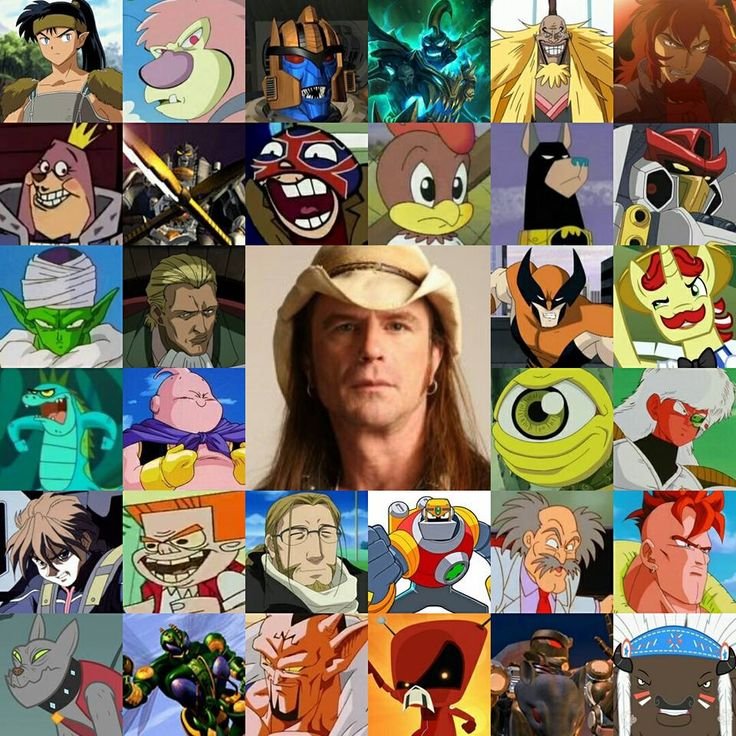
Imagine your favorite animated hero, the villain whose laugh sends shivers down your spine, or that quirky narrator who guides you through a complex documentary. What makes them so real, so memorable, even when they’re not physically present? It’s the intricate dance between Characters & Voice Actors, a synergy that breathes life into mere concepts, transforming them into unforgettable personalities. This isn't just about reading lines; it's about embodying a soul, crafting an identity that resonates deeply with an audience.
At a Glance: Bringing Voices to Life
- Characters are Universal: They can be anything—human, animal, mythical creature, or even inanimate objects—each demanding a unique vocal identity.
- More Than Just a Sound: Voice acting is an art form involving deep character study, emotional intelligence, and technical vocal skill.
- The Voice Actor's Craft: It requires understanding script nuances, researching similar archetypes, and collaborating closely with writers and directors.
- Psychological Impact: Distinct voices build immersive worlds, evoke strong emotions, and establish lasting character identities.
- Growing Recognition: The industry now celebrates voice actors as integral artists, thanks to dedicated platforms and increasing public appreciation.
- Path for Aspiring Talent: Success comes from training, relentless practice, building a diverse demo, and strategic networking.
The Unseen Architects of Story: What Voice Actors Truly Do
When we talk about "characters" in storytelling, the scope is incredibly vast. A character isn't limited to a person; it can be any sentient or even non-sentient entity within a narrative. As Voices.com highlights, this broad definition means voice acting for characters is an expansive field, encompassing everything from a valiant knight to a grumpy teapot, a wise old owl, or even an alien from another galaxy. Each character, with their unique occupation, nationality, gender, species, and personality, demands a voice that is equally distinct and compelling.
Voice actors are, in essence, the unseen architects of these characters. They don't just lend their voice; they embody the character entirely, using their vocal instrument to convey emotions, intentions, age, background, and even physical traits that might never be seen. Their performance isn't just an auditory experience; it’s a masterclass in vocal transformation, capable of painting vivid mental images and forging powerful connections with the audience.
Beyond the Script: Crafting a Persona
Think about the sheer range required. One voice actor might portray a mischievous sprite in one project and a grizzled detective in another. This isn't achieved by simply changing pitch. It involves a meticulous process of character study. Voice actors delve into the script, dissecting the character's motivations, backstory, relationships, and even their emotional subtext. They ask: "Why does this character speak this way? What are their fears? Their hopes? How does their environment influence their voice?"
This deep exploration allows them to move beyond superficial impressions and tap into the very essence of the character, creating a performance that is authentic and believable. They consider how other characters with similar traits in other media have been voiced, and just as importantly, they often consult directly with the scriptwriter. As the experts suggest, combining script study with external research and direct collaboration offers a robust starting point for developing that perfect, distinctive sound.
Why Voice Matters: The Psychology of Auditory Immersion
Our ears are powerful gateways to our imagination. A unique voice doesn't just deliver dialogue; it acts as a shortcut to character understanding, instantly conveying personality and setting the emotional tone. It's the difference between hearing words and feeling a character.
Building Worlds, Evoking Emotions
Consider how a villain’s low, gravelly rumble can instantly signal danger, or a child’s bright, lilting voice can evoke innocence. These vocal cues are critical for world-building, especially in animation, video games, and audio dramas where visual information might be limited or nonexistent. The voice actor's performance creates a psychological anchor, grounding the character in reality, no matter how fantastical their world might be.
A well-voiced character can make us laugh, cry, or gasp in surprise. It's the subtle quiver in a hero's voice that tells us they're afraid, even if their words declare bravery. It's the warmth in a mentor's tone that assures us everything will be okay. This emotional transfer is where the true magic of voice acting lies, forging an unbreakable bond between the listener and the character.
For instance, in projects like My Little Pony: A New Generation, the distinct voices given to each pony are essential. They don't just differentiate the characters; they imbue them with unique personalities, quirks, and emotional ranges that are instantly recognizable and deeply endearing to audiences of all ages. Without these carefully crafted vocal performances, the characters would lose much of their charm and impact.
Identity and Memorability Through Sound
Beyond immediate emotional response, a unique voice contributes significantly to a character's long-term memorability. Think of iconic characters whose voices are instantly identifiable, even without seeing their faces. Their voices become their sonic signature, intertwined with their visual design and narrative arc. This makes the characters feel consistent and fully formed, helping them stick in our minds long after the credits roll.
The Voice Actor's Toolkit: Crafting a Character's Sound
The journey from a character description on a page to a living, breathing vocal performance is a complex one, requiring a diverse set of skills and a methodical approach.
Deep Dive into the Script: Unearthing the Character's Soul
The script is the voice actor's bible. It's not just about the words; it's about what lies beneath them.
- Understanding Motivation: Why does the character say what they say? What are their objectives in each scene? A character might say "I'm fine," but their motivation (fear, anger, sadness) can completely change the vocal delivery.
- Background and Relationships: A character's past experiences and their relationships with others significantly shape their voice. Did they grow up in a tough neighborhood? Are they a noble leader or a timid follower? These elements inform pitch, pacing, and tone.
- Emotional Arc: Characters evolve. A voice actor must track the character's emotional journey throughout the story, allowing their voice to reflect changes in mood, confidence, or vulnerability.
Research & Reference: Drawing Inspiration from the World
No character exists in a vacuum. Voice actors often look outwards for inspiration.
- Archetypes and Tropes: Studying how similar characters (e.g., the wise old wizard, the plucky sidekick, the arrogant anti-hero) have been portrayed in various media provides a starting point. This isn't about imitation, but about understanding established audience expectations and finding ways to subvert or fulfill them uniquely.
- Genre and Themes: The overall genre (comedy, drama, horror) dictates the performance style. A horror character’s voice might have more gravel and less clarity, while a comedic character might exaggerate certain inflections. The themes of the story (e.g., redemption, betrayal) also influence the vocal weight and emotional depth.
- Real-World Observations: Listening to people in everyday life, observing their speech patterns, accents, and emotional expressions, is invaluable. A voice actor might draw inspiration from a specific person's laugh, a unique vocal tic, or a particular regional accent.
Collaboration with Creators: The Director's Vision
Voice acting is rarely a solo endeavor. The collaboration between voice actors, directors, and writers is crucial.
- Asking the Writer: As suggested by Voices.com, engaging directly with the scriptwriter is highly beneficial. They can offer invaluable insights into the character's intended portrayal, providing nuances that might not be immediately apparent in the script. This ensures the voice actor's interpretation aligns with the creator's vision.
- Taking Direction: A good voice actor is adept at taking direction, adapting their performance on the fly to meet the director's specific needs. This might involve adjusting pacing, changing emotional intensity, or refining an accent.
Technical Skills: The Vocal Gymnastics
Beyond character understanding, voice actors rely on a robust set of technical vocal skills.
- Pitch and Tone: The highness or lowness of the voice (pitch) and its overall quality (tone – e.g., warm, metallic, breathy) are fundamental.
- Pacing and Rhythm: How quickly or slowly a character speaks, and the natural flow of their words, can reveal much about their personality or current state.
- Accents and Dialects: Mastering a wide range of accents and dialects is a highly sought-after skill, allowing actors to authentically portray diverse characters.
- Emotional Range: The ability to convincingly convey a spectrum of emotions—from profound sadness to unbridled joy, simmering anger to quiet contemplation—is paramount.
- Vocal Health and Stamina: Maintaining a healthy voice and the stamina to perform demanding roles for extended periods is crucial for a professional voice actor.
Physicality in Voice: How Body Language Informs Vocal Performance
It might seem counterintuitive for an art form focused solely on sound, but physicality plays a significant role in voice acting. Even though the audience doesn't see the actor, the way an actor uses their body can profoundly impact their vocal delivery.
Think about it: when you slump, your diaphragm is compressed, making your voice sound smaller, perhaps more melancholic. When you stand tall with an open chest, your voice projects with more power and confidence. Voice actors often use their full bodies in the booth, gesturing, making facial expressions, and even mimicking the character's posture to help them inhabit the role more fully. This physical engagement translates into a more authentic and nuanced vocal performance.
Casting the Right Voice: A Collaborative Art
The process of finding the perfect voice for a character is a delicate balance of artistry and practical considerations.
For Creators: What to Look For
When casting, creators are looking for more than just a pleasant voice. They seek:
- Range and Versatility: Can the actor deliver different emotions convincingly? Can they adapt to various styles and genres?
- Authenticity: Does the voice feel natural for the character, or does it sound forced?
- Interpretive Skills: Can the actor understand the nuances of the script and bring their own informed interpretation to the role?
- Professionalism: Reliability, punctuality, and the ability to take direction are paramount.
- Vocal Quality: While subjective, a unique vocal texture or tone can make a character stand out.
For Voice Actors: Understanding the Casting Process
For aspiring and established voice actors, understanding the casting process is key to success.
- Demo Reels are Your Calling Card: A professionally produced demo reel showcasing your range, unique character voices, and acting ability is indispensable. It's your audition tape that tells casting directors exactly what you can do.
- Auditioning with Purpose: Every audition is an opportunity to demonstrate not just your voice, but your ability to understand and embody the character. Follow directions meticulously, but also infuse your personality.
- Networking and Agents: Building relationships within the industry and securing representation can open doors to more significant opportunities.
Beyond the Booth: The Impact and Recognition of Voice Actors
For a long time, voice actors were often the unsung heroes of animation and audio, their names relegated to brief credit scrolls. However, that perception is rapidly changing.
The Growing Appreciation for Voice Talent
Today, there's a significant and growing appreciation for the artistry and skill of voice actors. Fans celebrate their favorite voice talents, attending conventions, following them on social media, and eagerly anticipating their next projects. This shift reflects a broader understanding that the voice is just as crucial to character development as animation or scriptwriting.
Platforms like Behind The Voice Actors (BTVA) have been instrumental in this recognition. As their mission statement explains, BTVA provides a "visual and audible experience of seeing images and listening to sound clips of the actors and their character roles, rather than a standard text-based credit list." This innovative approach has given a face and a voice to countless talents, allowing fans to connect with the artists behind their beloved characters. It highlights the vast body of work many voice actors have, showcasing their range and contribution across different projects.
The Shift from "Just a Voice" to Celebrated Artists
This increased visibility has elevated voice actors from anonymous talents to celebrated artists. Many voice actors now have dedicated fan bases comparable to on-screen actors. They are recognized for their unique ability to bring characters to life with nothing but their voice, proving that true acting transcends the visual medium. This recognition is not just about fame; it's about acknowledging the complex craft, the dedication, and the sheer talent required to create such impactful performances.
Common Questions About Characters & Voice Actors
Let's address some frequently asked questions about this fascinating field.
Can one voice actor play multiple characters?
Absolutely! Many voice actors are incredibly versatile and can perform numerous characters within the same project, sometimes even in the same scene. This is a testament to their skill in vocal modulation, accent work, and emotional range. Often, actors will even converse with themselves in character, seamlessly transitioning between distinct voices. This saves production costs and highlights the actor's incredible talent.
How important are accents in voice acting?
Accents are critically important. They are a powerful tool for instantly conveying a character's background, nationality, social status, and even personality. A well-executed accent adds layers of authenticity and depth to a character. However, it's crucial that accents are performed accurately and respectfully, avoiding stereotypes and ensuring consistency throughout the performance. Voice actors often work with dialect coaches to master specific accents.
Is voice acting "easier" than on-screen acting?
While both require immense talent, training, and dedication, voice acting is not "easier" than on-screen acting; it simply presents a different set of challenges. On-screen actors use their entire body, facial expressions, and visual presence, while voice actors must convey all of that purely through sound. Voice actors face the unique challenge of having to externalize complex emotions and physical actions without visual cues, relying solely on their vocal instrument to paint a complete picture for the audience.
What's the difference between voice acting and narration?
While both involve using one's voice, voice acting focuses on embodying a specific character (or multiple characters) within a narrative. It requires creating distinct personalities, often with varying pitches, tones, and emotional ranges, to drive a story or dialogue forward. Narration, on the other hand, typically involves a single, consistent voice (the narrator's) that guides the audience through a story, documentary, or instructional content. While a narrator can have personality and emotional inflection, they generally don't "act out" multiple distinct roles in the same way a character voice actor does. Some projects, like audiobooks with multiple characters, blur these lines, requiring narrators to also do character work.
Embarking on Your Voice Acting Journey
For those inspired by the magic behind characters and their voices, the path to becoming a voice actor is challenging but rewarding.
Training, Practice, and Relentless Self-Improvement
- Formal Training: Seek out acting classes, workshops specifically for voice acting, and vocal coaching. Learn about breath control, resonance, articulation, and vocal health.
- Practice Daily: Read aloud everything you can get your hands on—books, scripts, commercials, even grocery lists. Experiment with different voices, accents, and emotional deliveries. Record yourself and listen back critically.
- Improvisation: Join improv groups to hone your spontaneity, quick thinking, and ability to create characters on the spot.
Building a Diverse Portfolio: Your Character Showcase
- Demo Reel Creation: Invest in a professional demo reel. It should showcase your range, including various character voices, commercial reads, and narration styles. Tailor separate reels for different genres if possible.
- Home Studio Setup: While not always necessary at the very beginning, a decent home studio (good microphone, audio interface, sound treatment) becomes crucial for self-taping auditions and recording projects.
- Create Your Own Content: Don't wait for opportunities. Write short scripts for yourself, animate simple characters, or collaborate with aspiring animators and game developers to build your portfolio.
Networking and Finding Opportunities
- Connect with the Community: Attend industry events, join online forums, and network with other voice actors, directors, and casting agents.
- Seek Representation: Once you have a strong demo and some experience, consider approaching talent agencies specializing in voice-over.
- Online Platforms: Explore online casting platforms, but always exercise caution and research opportunities thoroughly.
- Be Patient and Persistent: The voice acting industry is competitive. Rejection is part of the process. Maintain a positive attitude, keep learning, and persevere.
The Future of Vocal Storytelling
The landscape of voice acting is continually evolving, driven by technological advancements and shifting media consumption habits.
AI Voices vs. Human Artistry
The rise of artificial intelligence and text-to-speech technology presents both challenges and opportunities. While AI voices can generate consistent narration or even rudimentary character voices, they currently lack the nuanced emotional depth, improvisational skill, and human interpretation that a talented voice actor brings. The human element—the ability to inject genuine emotion, vulnerability, and unexpected twists into a performance—remains irreplaceable. Voice actors will likely collaborate with AI tools, using them for efficiency while maintaining their artistic integrity.
Evolving Genres and Platforms
New platforms like interactive audio experiences, virtual reality, and enhanced podcasting are continually emerging, creating fresh avenues for voice actors. The demand for diverse, authentic voices that can connect with increasingly global and niche audiences is only growing. As storytelling evolves, so too does the essential role of Characters & Voice Actors in shaping our auditory experiences.
Making Voices Heard: Your Next Steps in Understanding and Appreciating the Art
The world of Characters & Voice Actors is a vibrant tapestry woven with immense talent, dedication, and creativity. Whether you're a casual fan, an aspiring voice artist, or a creator looking to bring your stories to life, understanding this dynamic relationship enriches your appreciation for every performance.
Take a moment to truly listen the next time you watch an animated film, play a video game, or tune into an audiobook. Pay attention to the subtle choices the voice actor makes, how their voice complements the visual character, and the emotions they evoke within you. Consider visiting sites like Behind The Voice Actors to explore the incredible range of work done by your favorite performers. If you're an aspiring talent, start practicing, seeking training, and building your unique vocal toolbox.
The art of giving voice to a character is a profound act of creation, turning ink on a page into a living, breathing entity that can move, inspire, and entertain us for years to come. By acknowledging and celebrating these unsung heroes, we not only deepen our connection to the stories they tell but also champion an art form that is as ancient as storytelling itself.